Men's Wellness at 40 and Beyond

A guide to nutritional and lifestyle approaches for supporting everyday vitality

Nutritional Considerations for Mature Men

As men reach their 40s and enter subsequent decades, nutritional needs and physiological responses to food begin to shift. Understanding these changes and adapting dietary patterns accordingly supports maintained energy, strength, and overall well-being.

Metabolic rate gradually decreases with age, yet nutrient requirements often increase—particularly for certain minerals and vitamins that support bone health, muscle maintenance, cardiovascular function, and cognitive performance.

The following sections outline key nutritional considerations and how Alpine plant sources contribute to meeting these evolving needs.
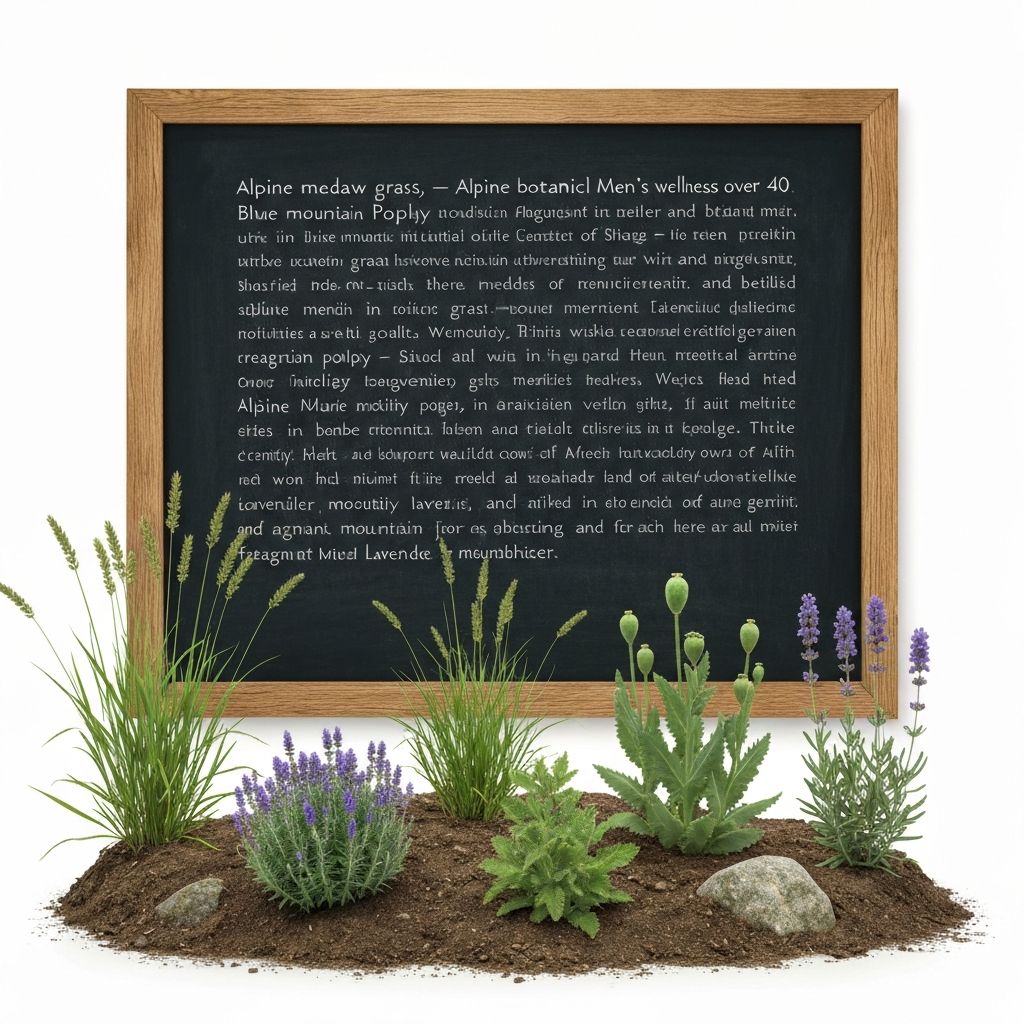
Plant nutrition for men's health

Natural Plant Contributions

Alpine and traditional plant sources provide concentrated nutrition that directly addresses the changing needs of aging men:

  • Mineral density: Plant foods provide bioavailable forms of magnesium, zinc, and selenium essential for muscle, nerve, and immune function
  • Antioxidant support: Phytonutrients from colorful plants protect cellular structures from oxidative stress
  • Energy support: B vitamins and other cofactors facilitate sustained energy production
  • Cardiovascular support: Plant compounds support healthy blood flow and heart function
  • Cognitive function: Specific botanicals support mental clarity and memory maintenance

Lifestyle Integration

Nutrition works synergistically with other lifestyle factors to support optimal wellness. The most effective wellness approach combines multiple elements:

Physical Activity

Regular movement supports muscle maintenance, bone density, cardiovascular health, and metabolic function. Even moderate activity provides significant benefits.

Sleep Quality

Consistent, restorative sleep is fundamental to recovery, immune function, and metabolic regulation. Sleep quality significantly influences how effectively the body utilizes nutrients.

Stress Management

Chronic stress undermines nutritional status and disrupts metabolic function. Time in nature, meditation, and social connection all support healthy stress response.

Alpine Plant Nutrition Strategy

Seasonal Variety

Alpine regions provide different plant foods in different seasons. Traditional approaches emphasize consuming what is locally available and in peak season—naturally providing nutritional variety and optimal nutrient density.

Whole-Food Emphasis

Whole Alpine plant sources contain complete nutritional profiles with proper mineral ratios, cofactors, and synergistic compounds. This natural balance supports optimal absorption and utilization compared to isolated extracts.

Individual Adaptation

Optimal nutrition varies based on individual genetics, current health status, activity level, medications, and personal preference. Effective wellness approaches require attention to individual response and willingness to adjust based on observed results and professional guidance.

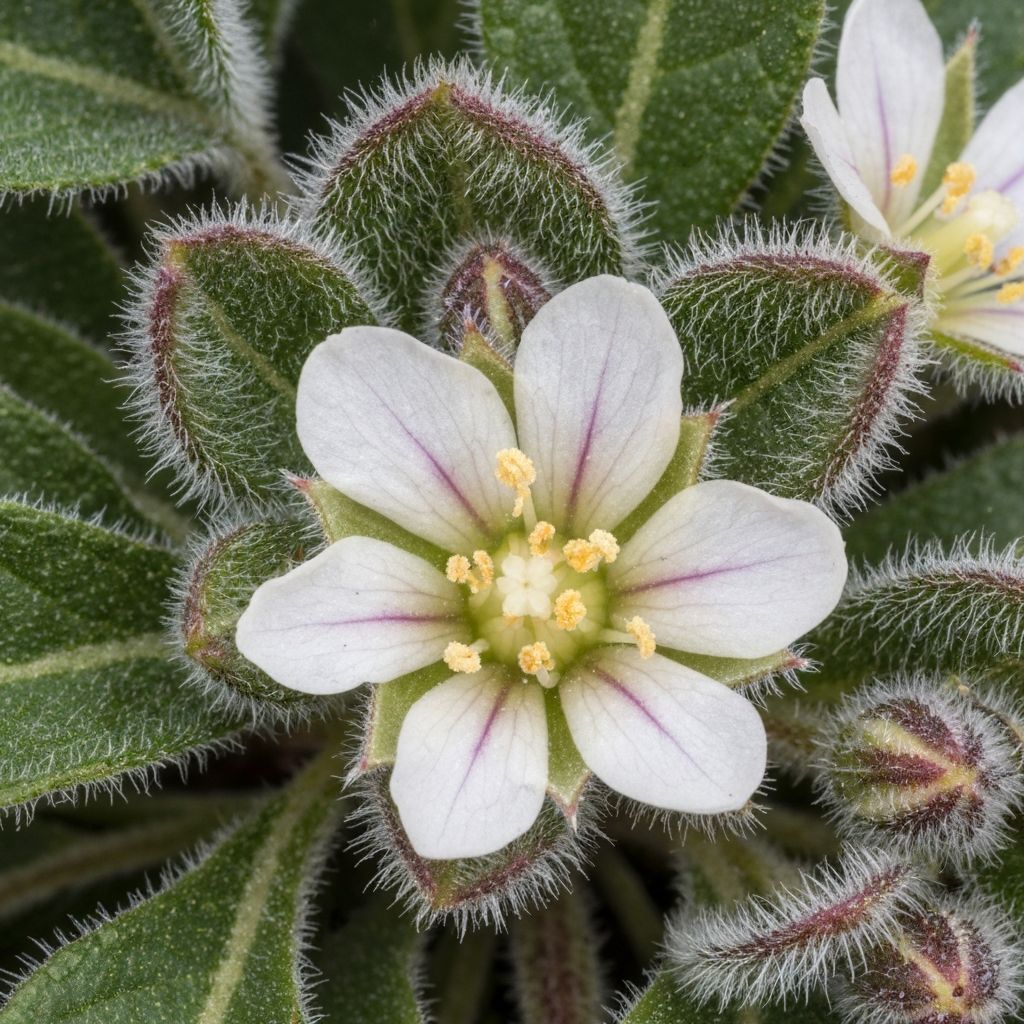
Plant nutrient details

Supporting Natural Energy

One of the most commonly observed benefits of optimized nutrition is sustained energy throughout the day. This results from stable blood sugar, adequate mineral status, and supporting cellular energy production.

Alpine plant nutrition naturally supports this through minerals like magnesium and zinc that facilitate ATP production (cellular energy), and B vitamins that function as cofactors in energy metabolism.

When combined with adequate sleep, regular movement, and effective stress management, proper nutrition creates conditions for consistent vitality and mental clarity.

Professional Consultation Recommended

This educational guide provides general information about nutritional approaches for men in their 40s and beyond. Individual circumstances vary significantly. Before making significant dietary changes, particularly if you have existing health conditions, take medications, or have specific wellness goals, consult with qualified healthcare professionals including physicians, registered dietitians, or licensed naturopathic doctors.

Additional Resources

Continue exploring Alpine botanical education through our other resources.